Losing a tooth rarely happens alone: it is followed by worries, questions and sometimes… fear. Dental implants are the top solution for replacing missing teeth, but around this topic there are many myths, concerns and unknowns. In this article, we move away from the usual explanations and explore what is less commonly discussed about dental implants — but that you should know.
Fear of the dentist: a common but manageable barrier
For some, the thought of dental surgery causes anxiety. And yet, most patients who choose dental implants say after the procedure: “It wasn’t like I imagined at all!”
Myths vs Reality: what is said and what is actually true
- “The implant hurts terribly” – False. Modern anesthesia and sedation make the procedure comfortable. It’s not a vacation, but there’s no need to be afraid.
- “If I have diabetes, I can’t get implants” – Partially false. If blood sugar is controlled, the procedure is possible. So yes, you can have implants with diabetes.
- “Implants interfere with MRI scans” – Totally false. Titanium is biocompatible and non-magnetic. You can safely have an MRI with dental implants.
- “Implants last a lifetime without maintenance” – Myth. Proper hygiene and regular check-ups are key to implant longevity.
- “The implant procedure takes a long time” – Myth. Implant placement takes about 30–45 minutes.
- “You can die from a dental implant” – Myth. Before the procedure, a consultation is performed where all health-related aspects are discussed.
The treatment plan: more than a simple procedure
A successful implant starts with thorough planning. This includes:
- evaluation of overall health
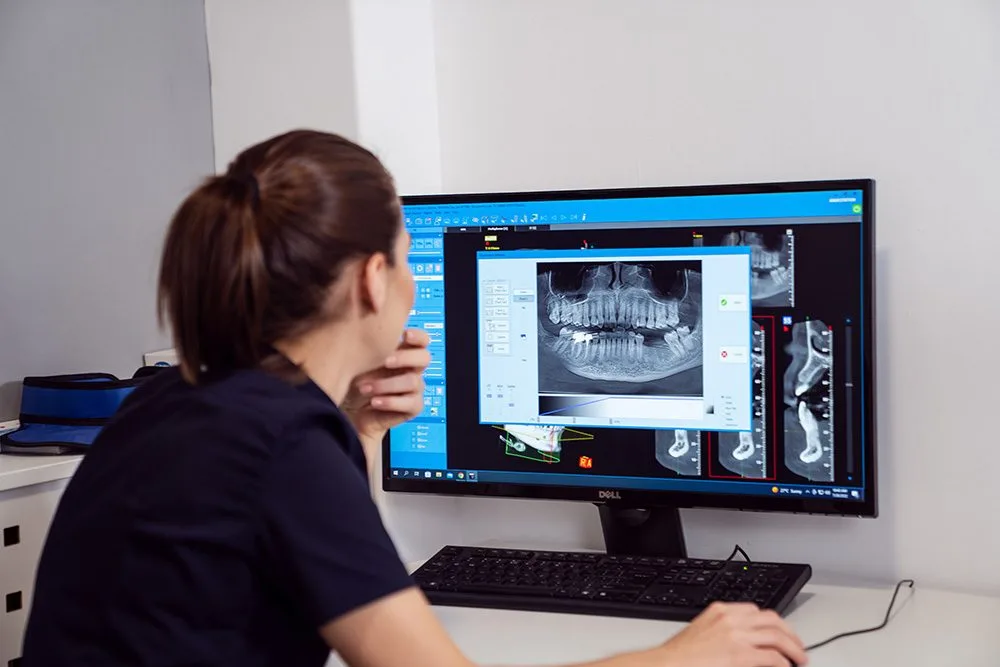
- bone assessment (X-ray or 3D CT scan)
- analysis of habits (smoking, hygiene, stress)
- discussion about aesthetics and expectations
A personalized treatment plan reduces risks and increases the chances of perfect implant integration.
Is a bone graft necessary?
In some cases, yes. If the jawbone is too thin or has resorbed over time, the doctor may recommend a bone graft either before or at the same time as the implant placement. With modern technology, bone regeneration is a common procedure with excellent results.

Computer-guided implant placement: precision that reduces risk
Computer-guided implant systems use 3D scanning to precisely plan the placement of the implant. This means:
- millimetric precision
- reduced intervention time
- minimal incisions
- faster recovery
- predictable results
- increased safety
- less stress for the patient
Sedation: the solution for dental anxiety
For those with dental anxiety, conscious sedation (administered intravenously) is an excellent option. The patient remains conscious but relaxed, feels no pain and does not associate the experience with trauma.
What you can eat after a dental implant
Immediately after the procedure:
- choose soft foods such as purees, cream soups, soft omelets
- opt for foods at moderate temperature
Not recommended: hard, crunchy or sticky foods.
In the long term, after osseointegration (4–6 months), you can return to your normal diet. The key is patience and following post-operative recommendations.
Recovery after implant: what you need to know
The recovery process includes:
- anti-inflammatory and antibiotic medication
- proper hygiene (without aggressive brushing in the first days)
- avoiding hard foods
- regular check-ups
- avoiding intense physical effort
Osseointegration takes between 4 and 6 months, and with proper care, you will regain your smile and confidence.

Lifestyle influences implant success
Smoking
- reduces local blood circulation
- slows down osseointegration
- increases the risk of infections and complications
- can lead to implant failure over time
Nutrition
- supports healing through essential nutrients;
- proteins, Vitamin C and Omega-3 speed up regeneration;
- excess sugar, alcohol and hard foods should be temporarily avoided.
Chronic stress
- increases cortisol, which inhibits regeneration and immunity;
- promotes bruxism;
- reduces adherence to treatment and proper hygiene.
Recommended vitamins and supplements
- Vitamin D – supports calcium absorption and osseointegration;
- Vitamin C – essential for collagen and gum healing;
- Collagen – helps regenerate soft tissues and bone;
- Omega-3 – natural anti-inflammatory;
- Zinc and magnesium – contribute to tissue repair and bone health.
Common mistakes after implant and how to avoid them
- Smoking immediately after the procedure;
- Skipping regular check-ups;
- Poor oral hygiene;
- Chewing intensely too soon;
- Ignoring discomfort that appears later.
The psychology of dental implants
People don’t choose implants just to eat better, but to smile with confidence again, to regain their social and professional life. A dental implant restores not only the smile, but also self-esteem.
Conclusion
Dental implants is not just a technical procedure, but a complex experience that involves decisions, lifestyle, psychology and long-term care. With the right information and a personalized plan, you have every chance to make this intervention a long-term success.
Schedule an appointment at Dent Park for a complete evaluation!